
Nepal Tourism in 2026: Digital Innovation and a New Era of Travel
Nepal is entering an exciting period of change in its tourism industry. Known for the Himalayas, ancient heritage sites, diverse landscapes, and warm hospitality, the country continues to attract travelers seeking adventure, culture, wildlife, and authentic local experiences.
In 2026, digital technology is becoming increasingly important in how travelers discover destinations, plan holidays, arrange transportation, and connect with local tourism businesses. Alongside these changes, sustainable tourism and personalized travel experiences are creating new opportunities for Nepal's tourism sector.
For visitors planning a trip to Nepal, understanding these trends can help make travel planning easier and more rewarding.
1. Digital Technology Is Changing Travel Planning
Travelers increasingly use online platforms to research destinations, compare tour packages, read reviews, and communicate with travel agencies before booking a holiday.
Digital tools can help visitors access destination information, explore itineraries, and organize different parts of their journeys more efficiently.
For Nepal's tourism businesses, a clear website, helpful travel guides, responsive communication, and accurate tour information are becoming essential ways to connect with international customers.
Before booking, travelers should always verify important details such as package inclusions, cancellation policies, permits, transportation, and accommodation arrangements.
2. Online Booking and Personalized Travel Experiences
Modern travelers increasingly look for trips that match their interests, schedules, and budgets rather than relying exclusively on fixed itineraries.
Nepal offers plenty of opportunities for personalized holidays, including:
- Himalayan trekking and mountaineering adventures.
- Cultural tours of Kathmandu Valley and its historic heritage sites.
- Wildlife experiences in Chitwan National Park.
- Lakeside holidays and adventure activities in Pokhara.
- Spiritual journeys to important Buddhist and Hindu pilgrimage sites.
Online communication makes it easier for travelers to discuss their preferences with local tour operators and build itineraries that suit their needs.
3. Nepal's Natural Beauty Remains a Major Attraction
Technology may change how people plan their holidays, but Nepal's natural and cultural attractions remain at the heart of its tourism appeal.
The country offers a remarkable variety of destinations, from the world's highest mountain landscapes to subtropical forests and traditional villages.
Popular destinations to explore in Nepal include:
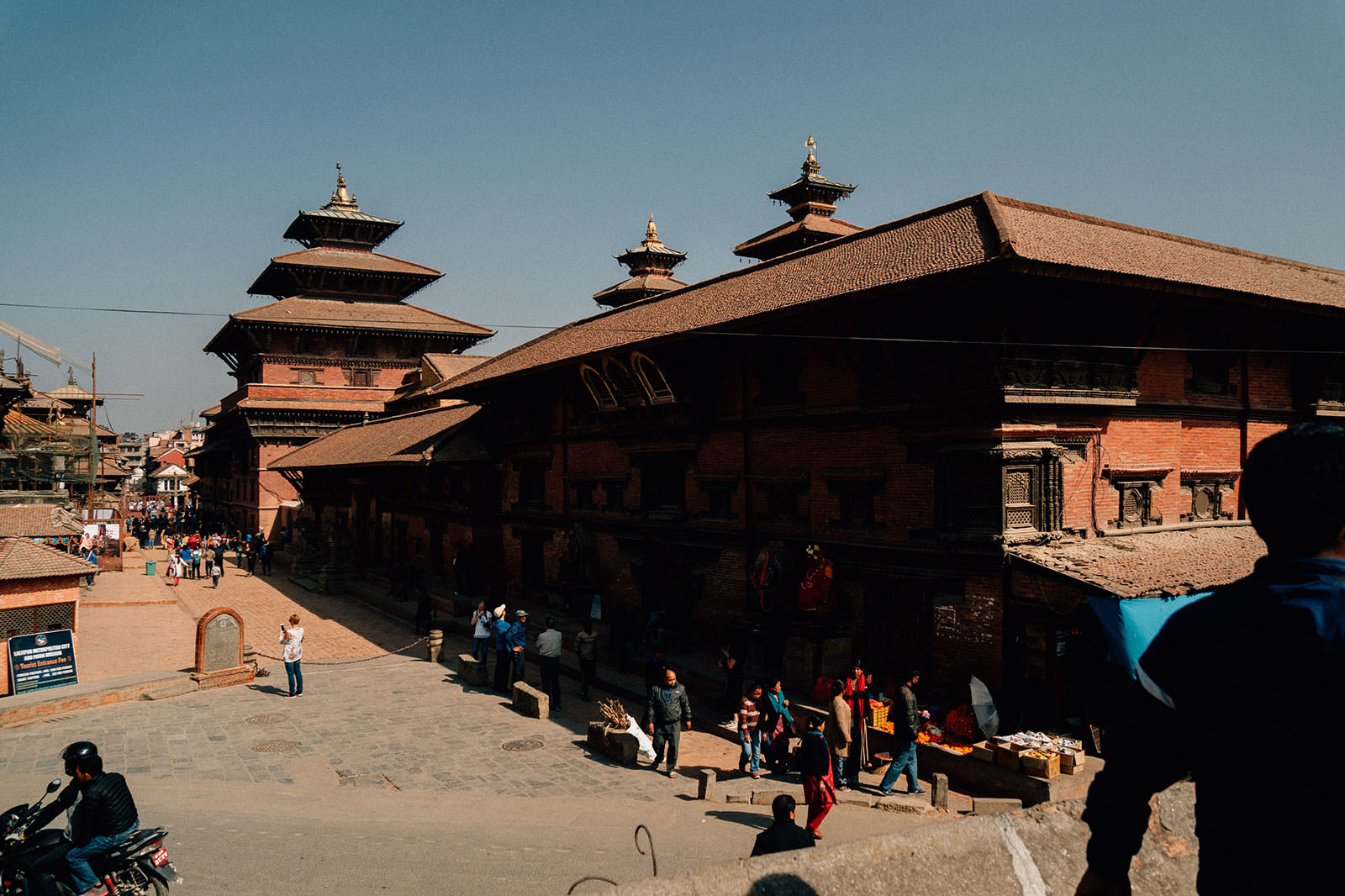
Kathmandu: Discover historic temples, traditional architecture, local markets, and UNESCO World Heritage Sites.
Pokhara: Enjoy Phewa Lake, Himalayan views, hiking opportunities, and adventure activities.
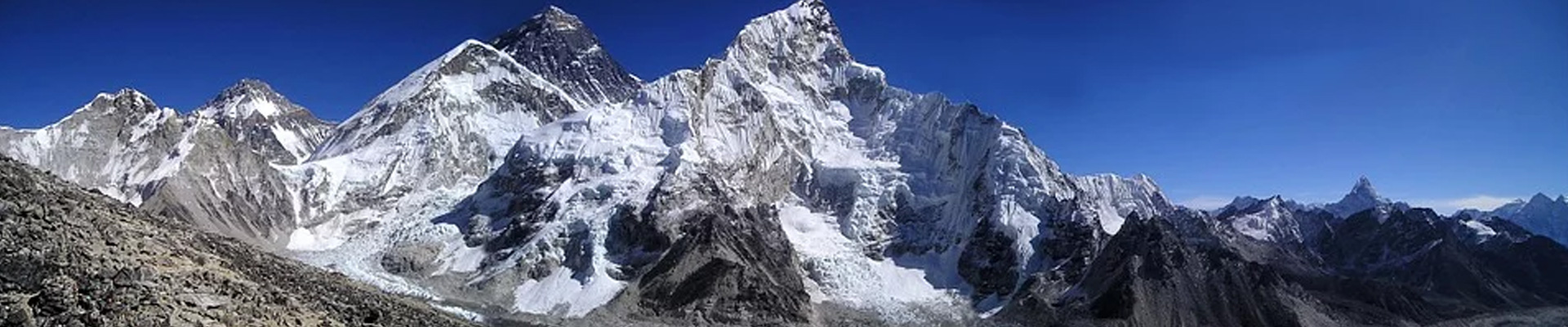
Everest Region: Experience iconic mountain scenery and trekking routes through Sherpa communities.
Annapurna Region: Explore mountain trails, traditional villages, and spectacular Himalayan landscapes.
Chitwan: Discover wildlife, forest ecosystems, and guided nature experiences.
Each destination offers a different perspective on Nepal's culture, geography, and hospitality.
4. Sustainable Tourism Is Becoming More Important
Responsible tourism is an important consideration for travelers and tourism businesses alike.
Visitors can contribute to local communities and help protect Nepal's natural and cultural heritage by choosing responsible operators, respecting local customs, reducing plastic waste, and following established trekking guidelines.
Supporting local guides, family-run guesthouses, community businesses, and locally produced goods can also help tourism benefits reach the people who make each destination special.
In trekking regions, travelers should follow conservation rules, dispose of waste responsibly, and respect wildlife and sensitive natural environments.
5. Better Travel Information Helps Visitors Prepare
Reliable information is an essential part of a successful holiday. Travelers need to understand visa requirements, permits, transportation options, weather conditions, and local travel rules before departure.
Digital resources can make this information easier to find, but requirements can change. Visitors should confirm entry rules with official government sources, check trekking permits with the relevant authorities, and monitor weather and road conditions before traveling.
For trekking and remote destinations, advice from experienced local guides and established travel operators remains particularly valuable.
6. What Does the Future Hold for Nepal Tourism?
The future of Nepal's tourism industry will depend on combining its natural and cultural strengths with improved visitor services, responsible tourism practices, and useful digital tools.
Opportunities include more accessible travel information, better communication between visitors and local operators, customized itineraries, and greater awareness of lesser-known destinations.
Continued attention to infrastructure, environmental protection, visitor safety, and service quality will also be important for creating positive experiences for travelers.
As digital travel planning evolves, Nepal has an opportunity to showcase its unique experiences to a wider international audience while protecting the heritage and landscapes that make the country special.
Plan Your Nepal Holiday with Shivalaya Tours
Whether you are dreaming of a Himalayan trek, a cultural journey through Kathmandu, a relaxing escape in Pokhara, or a wildlife adventure in Chitwan, Nepal offers experiences for many different types of travelers.
Shivalaya Tours can help you explore destinations, compare suitable travel options, and plan an itinerary around your interests and schedule.
Our goal is to help travelers discover Nepal through memorable journeys, local experiences, and thoughtful trip planning.
