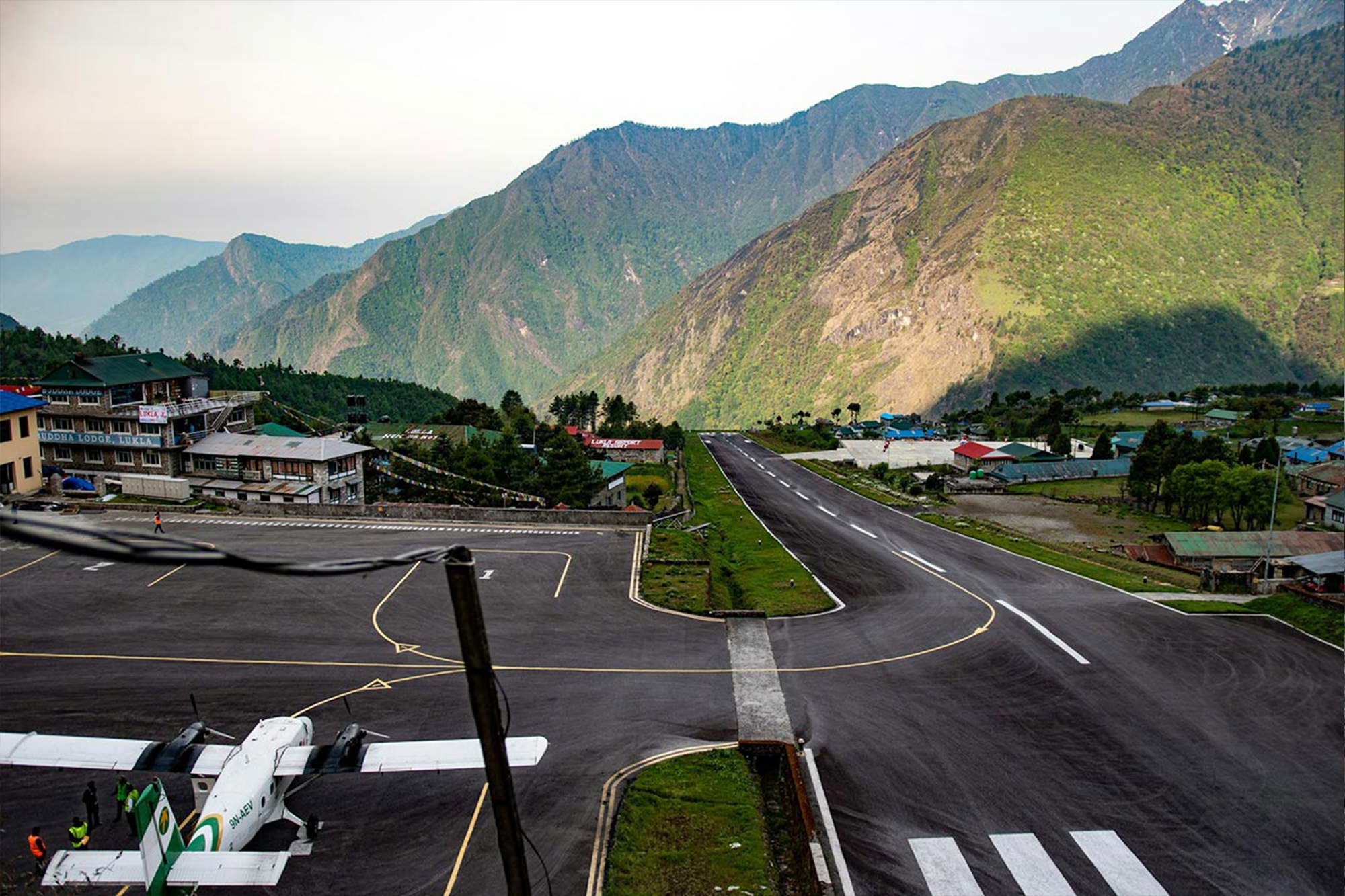
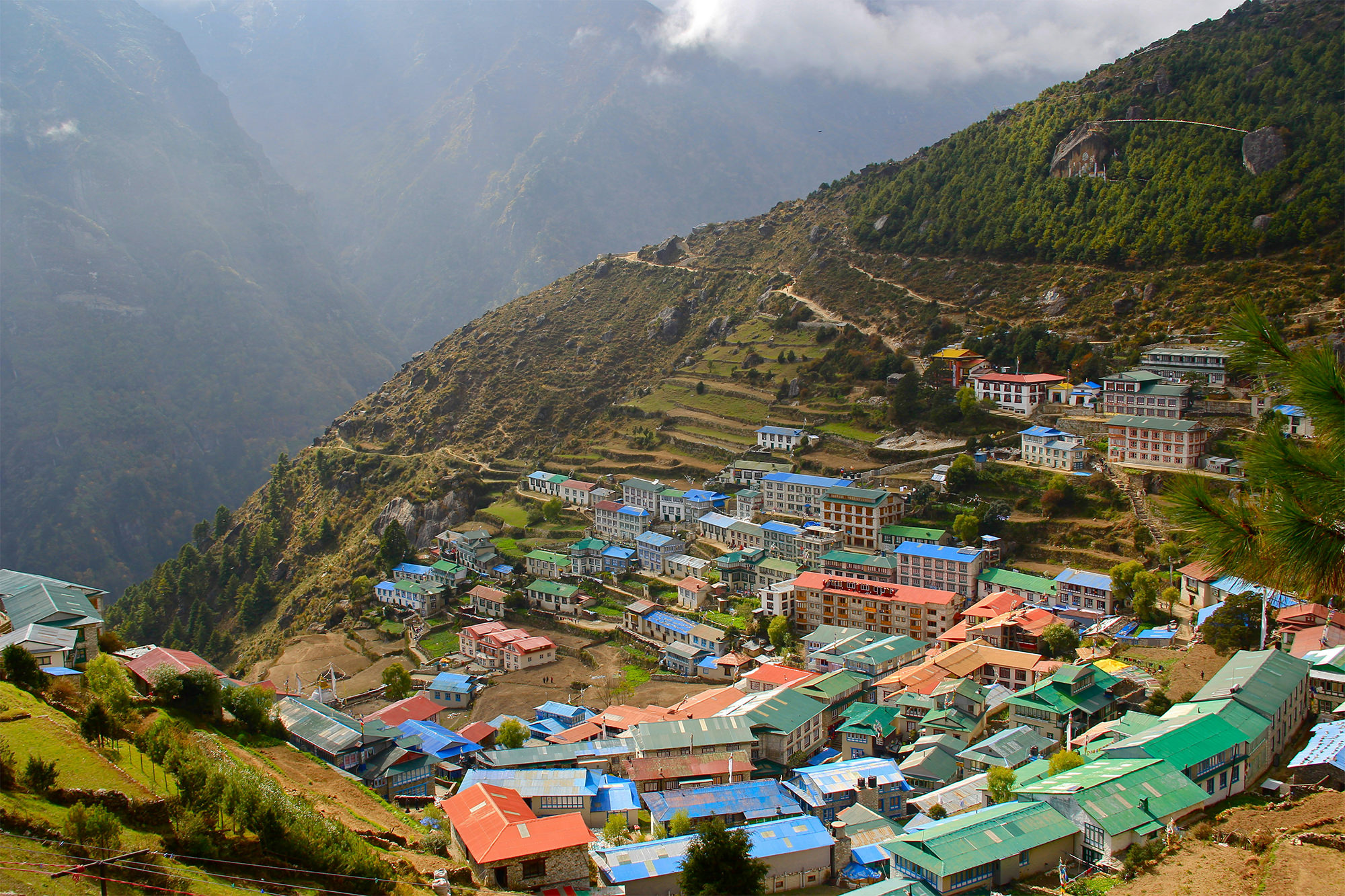
The traditional start point for the Jiri Bazar route has largely been replaced by the short but thrilling flight into Tenzing-Hillary Airport (Lukla, approx 2,840 m) for the classic Everest Base Camp trek. From Lukla the trail descends then follows the Dudh Koshi River (“Milk River”) to Jorsale (2,740 m), then crosses the dramatic suspension bridge at Larja and climbs steeply to Namche Bazaar (3,440 m), the bustling Sherpa “capital”.
Because the oxygen level is already only about 70 % of sea level at Namche, it’s vital not to rush. You’ll spend at least two nights in Namche to help your body acclimatize. One of the rest/acclimatisation days can include visiting the Everest View Hotel and the Sherpa Museum.
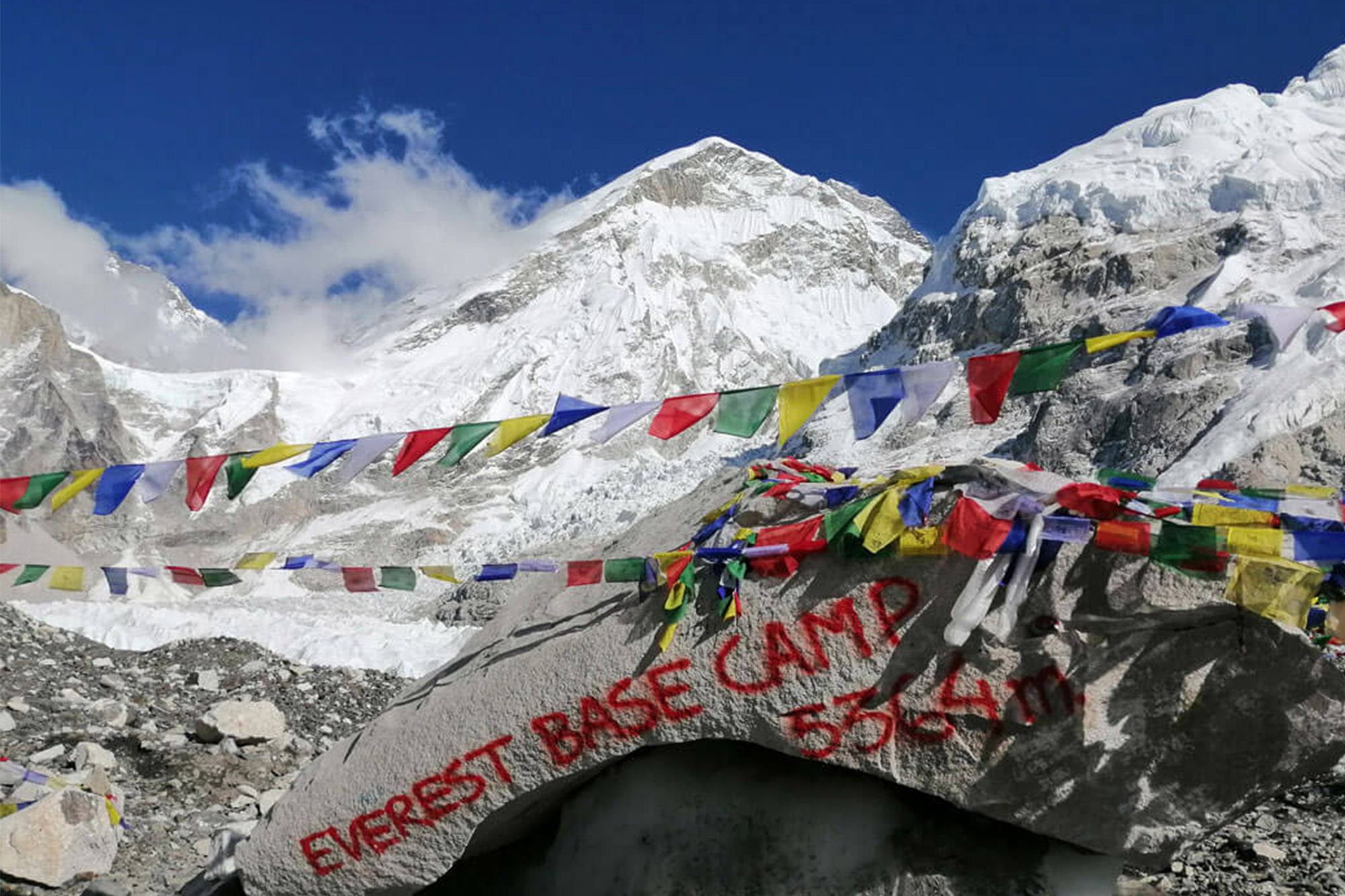
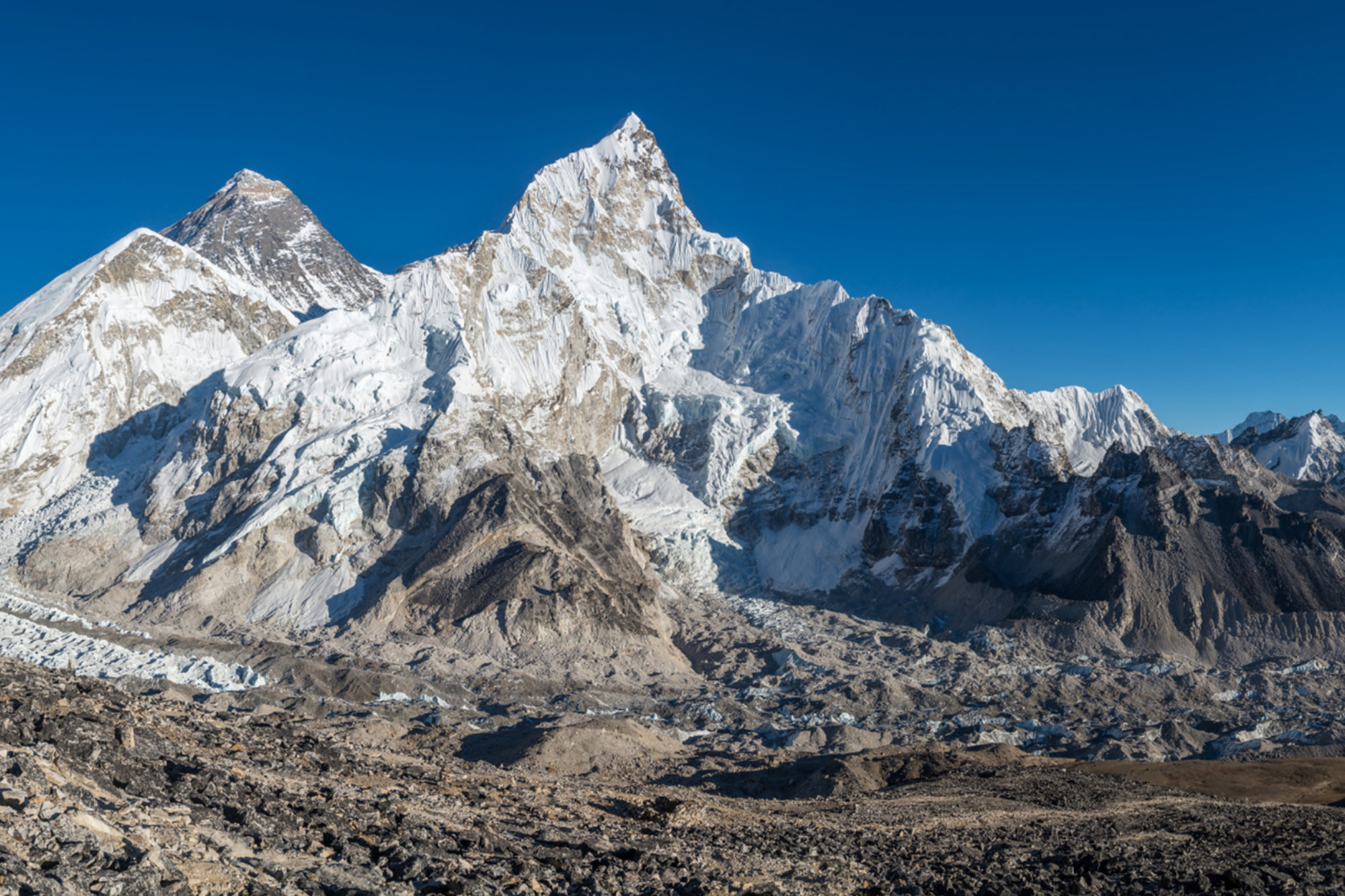
From Lobuche the steady climb continues to Gorak Shep, then to Everest Base Camp. For the ultimate panorama of Mount Everest, Nuptse, Lhotse and the Khumbu Icefall you’ll ascend Kala Patthar (5,550 m) — demanding in the thin air but very rewarding.
The return route is less steep and demanding, though still spectacular: you’ll pass views of the majestic Ama Dablam (6,856 m) — sometimes called the “Matterhorn of the Himalaya”. You’ll have time for shopping and a relaxing coffee in Namche before the final climb back to Lukla and your flight to Kathmandu.
Trip Highlights
-
Scenic Flight to Lukla: A thrilling entry to the Khumbu Region.
-
Namche Bazaar: A vibrant Sherpa hub and acclimatization spot.
-
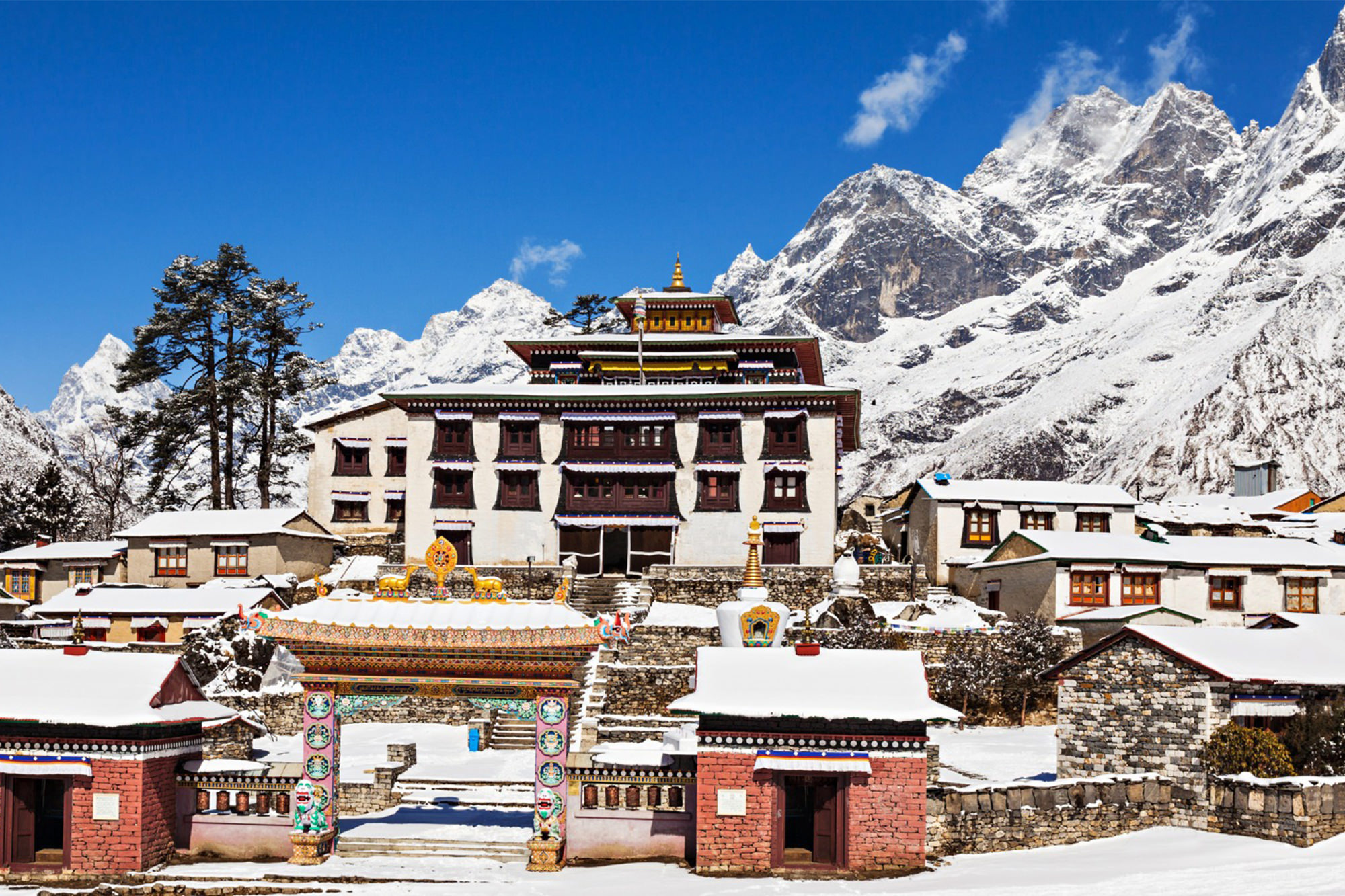
Tengboche Monastery: A spiritual centre with spectacular views.
-
Everest Base Camp: A rewarding endpoint for trekkers.
-
Kala Patthar: Sunrise views of Everest and surrounding peaks.
-
Sherpa Culture: Insight into traditional lifestyles and hospitality.
-
Breathtaking Landscapes: Glaciers, forests, rivers, and towering peaks.
Important Notes
-
Lukla Flights: Flights during peak season operate from Ramechhap instead of Kathmandu, requiring additional travel time.
-
Altitude Acclimatization: Follow recommended guidelines to prevent Acute Mountain Sickness (AMS). Hydration, rest, and a carbohydrate-rich diet are essential.
-
Best Seasons: March–May: Blooming flowers, moderate weather. September–December: Clear skies and cooler temperatures.
Good to Know
1. Physical and Mental Preparation
-
Fitness: Moderate to high endurance required. Cardiovascular training and leg strengthening are beneficial.
-
Altitude Sickness: Gradual acclimatization is critical to prevent Acute Mountain Sickness (AMS).
-
Mental Preparation: Long hours of walking (5–8 hours/day) and adapting to basic amenities.
2. Packing List for Everest Base Camp Trek
-
You’ll need layers of warm clothing, especially in colder months.
-
We provide a duffel bag (yours to keep) during your pre-trip meeting in Kathmandu.
-
You can rent a sleeping bag and down jacket for USD 35 each once in Kathmandu.
General Gear & Equipment
-
Four-season (zero-degree) sleeping bag (rental available for USD 35)
-
Sleeping bag liner
-
Puffy down jacket (rental available for USD 35)
-
Daypack (35–45 L recommended) with rain cover
Upper Body
-
Sun hat or cap (complimentary “Ace the Himalaya” baseball cap provided)
-
Knitted hat / Beanie
-
Scarf / Neck gaiter / Buff (highly recommended)
-
Headlamp
-
Sunglasses
Upper Body Layers
-
Technical fabric base layers (lightweight for warmer months, heavy for colder)
-
Technical fabric shirts — 2 short-sleeve & 2 long-sleeve
-
Waterproof, windproof shell
-
Fleece jacket or pullover
Lower Body
-
Technical fabric base layers (light or heavy depending on season)
-
Hiking pants (2 pairs)
-
Comfortable pants for teahouse evenings
-
Waterproof, windproof shell pants
-
Hiking shorts
Hands
-
Wool or technical liner gloves
-
Hard-shell outer gloves (insulated for colder months)
Feet
-
Warm wool or technical hiking socks
-
Regular hiking socks
-
Optional liner socks (e.g., silk)
-
Trekking/hiking boots (waterproof recommended)
-
Ice cleats / microspikes (recommended Nov–Mar)
-
Casual shoes (for evenings)
-
Gaiters (light for dust, heavy for snow)
Undergarments
-
Quick-drying underwear (technical fabric preferred)
-
Sports bras (for women)
-
Pajamas or sleeping clothes
First Aid & Medications
-
Sunscreen
-
Lip balm
-
Ointment
-
Cough syrup (recommended for Khumbu cough)
-
Mosquito repellent cream (for Kathmandu & Phakding)
Other Essentials
-
Passport
-
Extra passport-sized photos
-
Reusable water bottle
-
Water purification tablets or UV purifier (optional)
-
Hydration bladder
-
Toiletry kit
-
Towel
-
Pillowcase
-
Toilet paper (2 rolls)
-
High-protein snacks (protein bars, nuts, etc.)
-
Waterproof/dry bags for documents & money
-
Airline tickets (leave a copy at the Kathmandu office)
-
Earplugs
-
Trekking poles
Optional Items (Available in Kathmandu’s Thamel)
-
Power bank or extra batteries
-
Camera / Mobile phone
-
Cards or book
-
Binoculars
-
Pee bottle / pee funnel (for women)
-
Whistle
-
Thermos for hot water
-
Comb
Baggage & Weight Guidelines
-
Duffel bag (provided): Carried by porter, max 10 kg / 22 lbs
-
Daypack: Carried by you, max 5 kg / 11 lbs
-
Total allowance for Kathmandu–Lukla flight: 15 kg / 33 lbs (combined)
-
Non-trekking luggage can be stored at your hotel in Kathmandu
Rental Notes
-
Down jacket (with hood): USD 35 rental, USD 200 reimbursement if lost/damaged
-
Four-season sleeping bag: USD 35 rental, USD 200 reimbursement if lost/damaged
Cultural Note
-
Avoid wearing form-fitting or revealing clothing (e.g., yoga pants) in public areas.
-
If worn for comfort, please layer something over them out of respect for local culture.